
Tag: Eating Disorders
-
Why You Should Recover From an Eating Disorder

Eating disorders are serious mental illnesses that affect millions of people worldwide. These disorders, which include anorexia nervosa, bulimia nervosa, and binge-eating disorder, can have devastating physical and emotional consequences. However, with proper treatment and support, recovery is possible. If you or someone you know is struggling with an eating disorder, it’s important to seek…
-
What Happens to Your Body When Your Purge
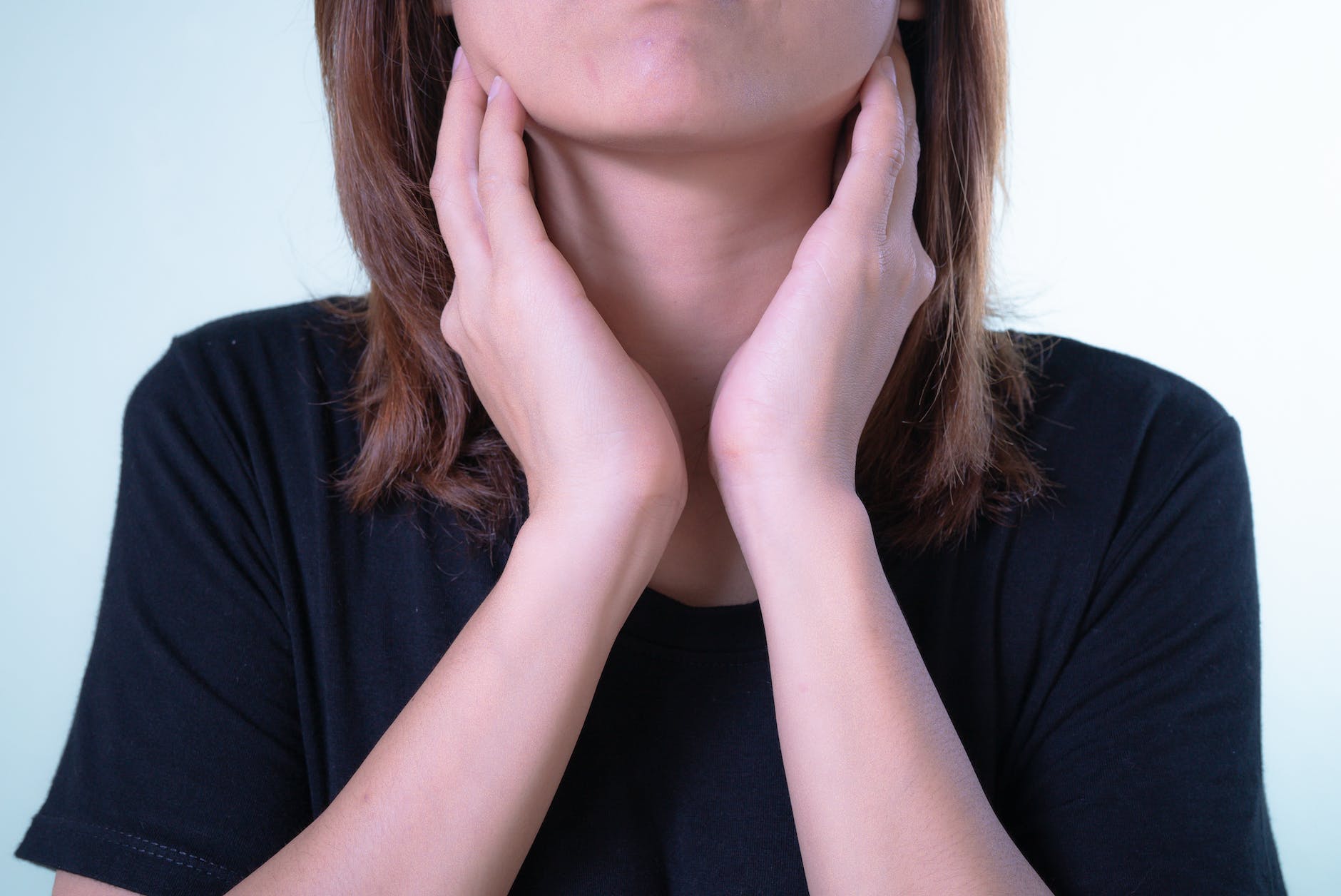
Purging, also known as self-induced vomiting, is a common behavior associated with eating disorders such as bulimia nervosa. It involves intentionally expelling the contents of the stomach through vomiting or using laxatives, diuretics, or enemas. Purging is a harmful behavior that can have severe consequences on the body, both physically and mentally. When a person…
-
What Happens to the Body During Starvation
Starvation is a condition in which the body does not receive enough nutrients and energy to function properly. The human body is an amazing machine, and it has several mechanisms in place to deal with food scarcity. However, prolonged starvation can have severe consequences on the body. In this blog post, we will explore what…
-
Benefits of working with a dietitian in eating disorder recovery

Eating disorders are complex mental health conditions that can be difficult to overcome without the right support. Recovery from an eating disorder requires a multifaceted approach that addresses the physical, psychological, and emotional aspects of the condition. While treatment typically involves a team of professionals, including therapists, medical doctors, and psychiatrists, one key member of…
-
How to respond to negative body comments from people

Raise your hand if you’ve been victim to someone commenting on your body. So, that’s all of us. Whether in a positive or negative way, someone has commented to us about all of our bodies at some point. I noticed as I gained weight (synonymous with stopping over exercising and restricting my variety and intake),…
-
The Line Between Intermittent Fasting and Eating Disorders

Intermittent fasting, or IF, is described by its proponents as an eating pattern where you eat all your meals within a designated time frame. Rather than dictating what you can and can’t eat, IF instead tells you when you can and can’t eat. For someone following intermittent fasting, fasting can range from a 12 to 22 hour…
-
Bringing Joy Back to Movement

By: Morgan Abercromie, Intern at HNC The culture surrounding exercise oftentimes places emphasis on results, specifically physical results. Many individuals start working out to change their bodies, influenced by so many exercise programs promising thinner thighs, thinner waists, bigger glutes, and bigger arms. There is no promise of fun or enjoyment in sight for the…
-
Navigating Safe Veganism and Vegetarianism While in Eating Disorder Recovery

By Morgan Abercrombie, Intern at HNC Your relationship with food is important to your overall well-being. Food is used to nourish your whole person, physically, mentally, and spiritually. One lifestyle that has gained much popularity in recent years is veganism, alongside vegetarianism. You may be considering a vegan or vegetarian lifestyle to nourish your body…