
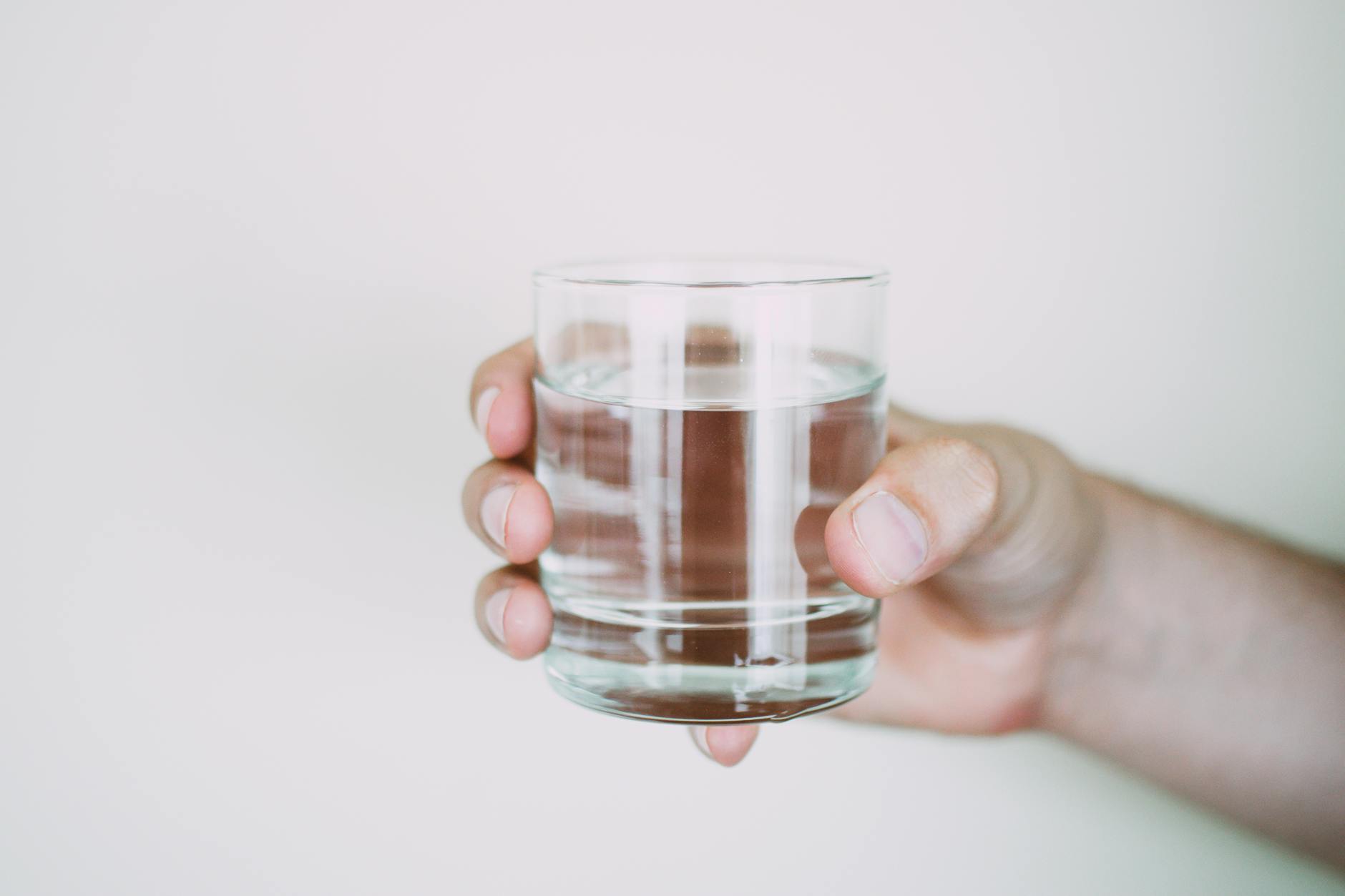
When we think of staying healthy, drinking enough water is often at the forefront. Water is essential for our bodies, helping with digestion, temperature regulation, and overall well-being. However, it’s important to recognize that drinking too much water can be dangerous. This condition, known as water intoxication, can lead to serious health risks. Let’s delve into what water intoxication is and what you need to know to stay safe.
What is Water Intoxication?
Water intoxication occurs when a person consumes an excessive amount of water in a short period, typically more than 1 liter (about 33.8 ounces) per hour continuously or drinking about a gallon (3 to 4 liters) of water over a few hours. This sudden influx of water can overwhelm the kidneys, leading to an imbalance of electrolytes in the body. While hydration is crucial, overhydration can disrupt the delicate balance necessary for our bodies to function properly.
Key Points to Remember
1️. Hydration is Vital, but Overhydration is Real
While staying hydrated is essential for health, overhydration can lead to water intoxication. It’s important to find a balance and understand that too much of a good thing can be harmful.
2️. Recognize the Symptoms
Water intoxication can present with various symptoms, including:
- Nausea
- Headache
- Confusion
- Swelling in the brain
- Seizures in severe cases
Recognizing these symptoms is critical for early intervention. If you or someone else experiences these after drinking large amounts of water, seek medical attention promptly.
3️. Life-Threatening Consequences
One of the most concerning aspects of water intoxication is its potential to be life-threatening. An electrolyte imbalance, particularly a drop in sodium levels (hyponatremia), can lead to brain swelling and severe complications, including coma or death.
4️. At-Risk Groups
Certain individuals are more susceptible to water intoxication. Athletes, especially those engaged in endurance sports, may drink excessive amounts of water without replenishing lost electrolytes. Additionally, people with specific medical conditions, such as kidney problems, should be particularly cautious about their water intake.
5️. Listen to Your Body
The most important takeaway is to stay hydrated but do so in moderation. Pay attention to your body’s signals. Thirst is a natural indicator of your hydration needs, and it’s essential to drink accordingly, especially during intense physical activity or in hot weather.
Spread Awareness!
Awareness is key to preventing water intoxication. By understanding the risks associated with excessive water intake, we can protect ourselves and those around us. It’s crucial to remain mindful of your hydration levels and avoid overdrinking, particularly during exercise or in specific medical conditions.
If you have any questions about hydration or your individual needs, don’t hesitate to consult a healthcare professional. Together, we can promote safe hydration practices and ensure everyone stays healthy and hydrated!
Ready to get started? We have eating disorder registered dietitian nutritionists who provide eating disorder treatment in Huntsville, as well as virtual health sessions throughout Alabama and many other states.
States where our Registered Dietitian Nutritionists we can see clients:
Alabama, Arizona, Colorado, California, Florida, Utah, Missouri, Kentucky, Texas, Michigan, Virginia, New York.
Looking for more support?
Fill out our contact form to request an appointment with one of our providers, and we’ll get back to you ASAP!