
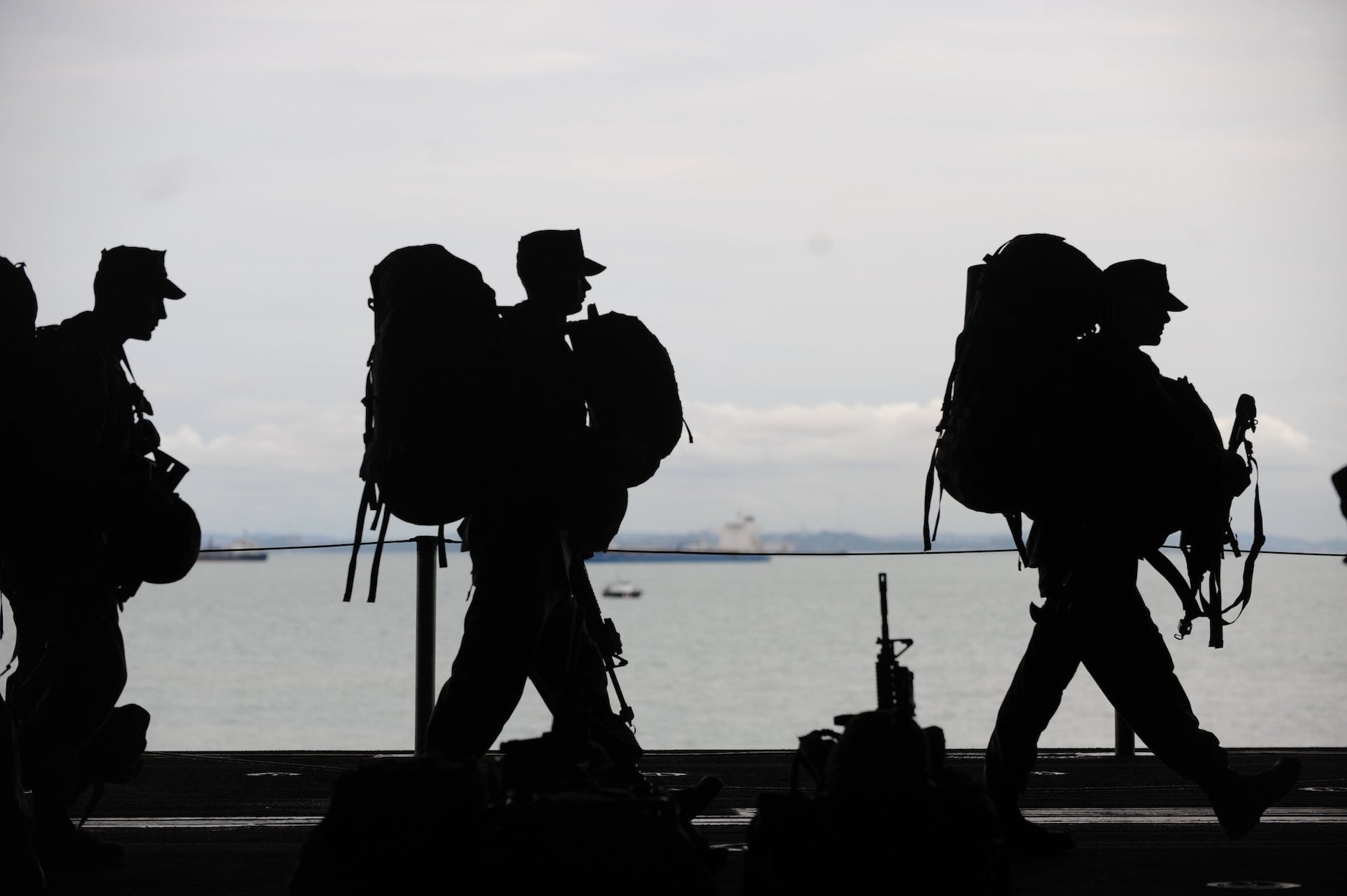
In the realm of mental health, eating disorders are a serious concern that affect individuals from all walks of life, including military service members and veterans. The unique challenges and experiences faced by those in the military can contribute to the development and exacerbation of eating disorders. In this blog post, we will delve into the prevalence, risk factors, and available support for eating disorders in military personnel, and emphasize the importance of recognizing and addressing these issues.
The Prevalence of Eating Disorders in the Military
Eating disorders, such as anorexia nervosa, bulimia nervosa, and binge eating disorder, can emerge in military service members and veterans, albeit often underreported or undiagnosed due to the stigma surrounding mental health issues. The military environment, with its emphasis on physical fitness and body image standards, can place additional pressure on individuals, leading to a higher susceptibility to eating disorders.
Research indicates that female military personnel are at a greater risk of developing eating disorders compared to their male counterparts. However, it is crucial to acknowledge that men can also struggle with eating disorders, although their experiences may be less recognized and more stigmatized.
Contributing Factors
Several factors contribute to the development of eating disorders among military personnel and veterans. These factors include:
- Military culture and demands: The military culture places a significant emphasis on physical fitness, body weight, and appearance, which can create a breeding ground for body dissatisfaction and disordered eating behaviors.
- Deployment stressors: Deployments and combat experiences expose service members to intense stress, trauma, and a disrupted support system, which can trigger or exacerbate eating disorders as a coping mechanism.
- Transition to civilian life: The transition from military to civilian life can be challenging for veterans. The loss of identity and purpose, coupled with the absence of the structured military environment, can contribute to feelings of isolation, depression, and disordered eating behaviors.
- Co-occurring mental health issues: Eating disorders often coexist with other mental health conditions, such as post-traumatic stress disorder (PTSD), depression, anxiety, and substance abuse. These comorbidities can complicate diagnosis and treatment.
Support and Treatment Options
Recognizing and addressing eating disorders in military service members and veterans is vital to ensure their well-being and successful reintegration into civilian life. Here are some support and treatment options:
- Education and awareness: Raising awareness within the military community about the signs, symptoms, and consequences of eating disorders can help combat the stigma and encourage early intervention.
- Mental health screenings: Regular mental health screenings and assessments during military service and post-deployment can aid in early detection and intervention for eating disorders.
- Access to specialized treatment: Military personnel and veterans should have access to specialized eating disorder treatment centers that understand the unique challenges faced by this population. These centers can offer evidence-based therapies, including cognitive-behavioral therapy (CBT), dialectical behavior therapy (DBT), and family-based therapy (FBT).
- Peer support and counseling: Establishing peer support networks and counseling services within the military community can create safe spaces for individuals to discuss their challenges and seek help without fear of judgment.
- Transition and reintegration support: Offering comprehensive transition and reintegration support for veterans, including mental health services, vocational training, and assistance with establishing social connections, can help mitigate the risk of eating disorders during this critical phase.
Eating disorders in military service members and veterans are complex issues that demand attention and intervention. By acknowledging the unique factors that contribute to the development of these disorders and implementing targeted support and treatment strategies, we can provide a path to recovery and improve the overall well-being of those who have served their country.
It is imperative that military organizations, healthcare providers, and society at large work collaboratively to destigmatize eating disorders, raise awareness, and provide accessible and effective care for these brave men and women who have sacrificed so much for our nations. Let us ensure that their physical and mental health remains a priority as we strive for a healthier and more supportive military community.
Ready to get started? We have eating disorder dietitians who provide eating disorder treatment in Huntsville, as well as virtual health throughout Alabama.
States where our Registered Dietitian Nutritionists we can see clients:
Alabama, Arizona, Colorado, California, Florida, Utah, Missouri, Kentucky, Texas, Michigan, Virginia, New York.
Looking for more support?
Fill out our contact form to request an appointment with one of our providers, and we’ll get back to you ASAP!