
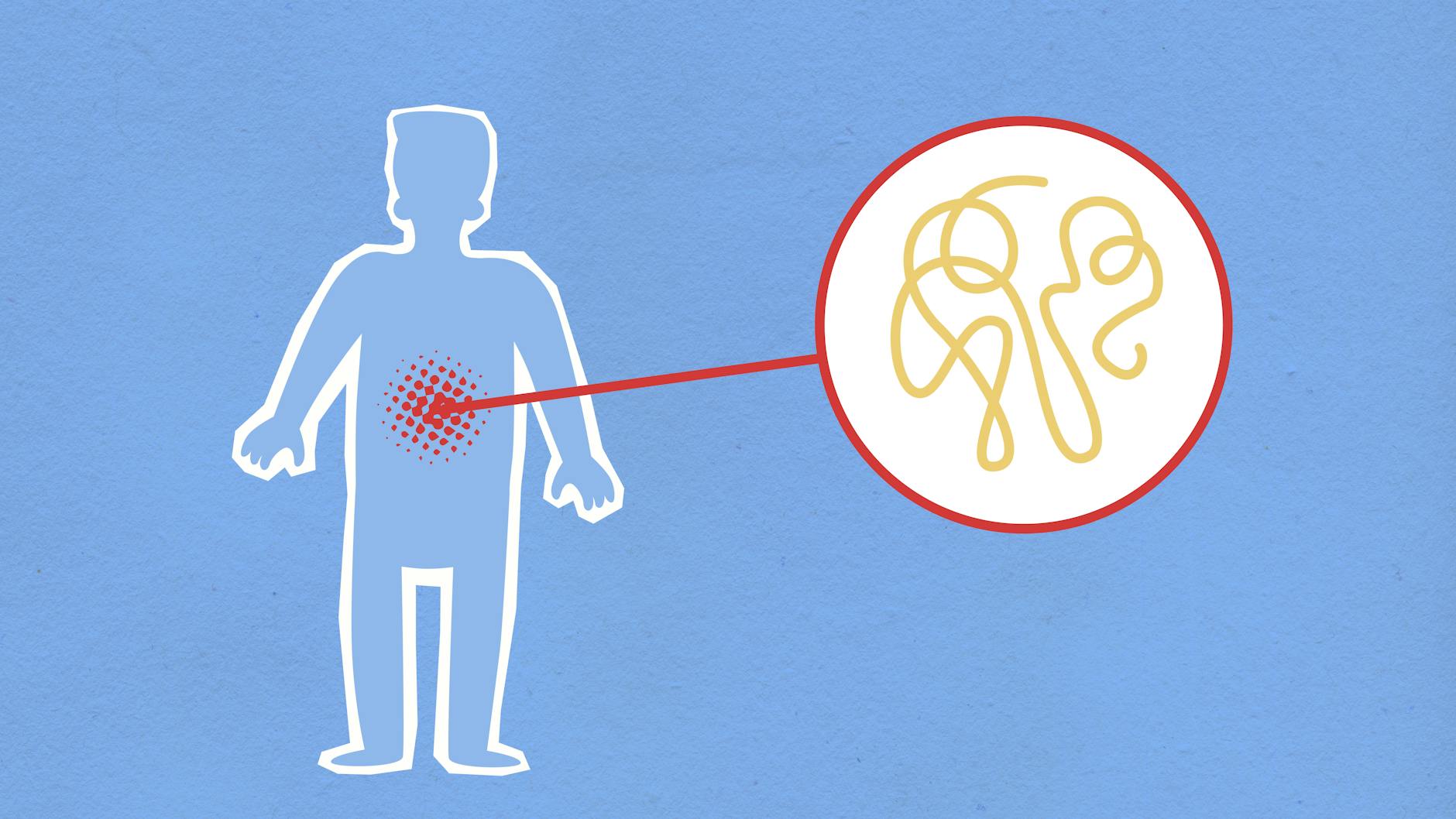
Gastroparesis is a digestive disorder characterized by delayed gastric emptying, which refers to the slow movement of food from the stomach to the small intestine. It affects the normal functioning of the muscles in the stomach, leading to a variety of symptoms and complications. In recent years, researchers have also identified a strong connection between gastroparesis and eating disorders, particularly anorexia nervosa and bulimia nervosa. In this blog post, we will explore gastroparesis, its symptoms, and shed light on the relationship between this condition and eating disorders.
Understanding Gastroparesis
Gastroparesis occurs when the vagus nerve, responsible for controlling the muscles in the stomach, becomes damaged or dysfunctional. The vagus nerve regulates the contractions that propel food through the digestive system. When the nerve is impaired, the stomach muscles fail to contract properly, leading to delayed gastric emptying.
Common Symptoms of Gastroparesis
- Nausea and Vomiting: These are among the most prevalent symptoms of gastroparesis. The delayed emptying of the stomach can result in a feeling of fullness and persistent nausea. Vomiting may occur, often hours after eating a meal.
- Abdominal Pain: Gastroparesis can cause pain or discomfort in the abdominal region. This pain may range from mild to severe and can be intermittent or constant.
- Heartburn and Acid Reflux: The delayed passage of food from the stomach to the intestines can cause the backward flow of stomach acid into the esophagus, leading to heartburn and acid reflux.
- Early Satiety: Individuals with gastroparesis often experience a sensation of fullness even after consuming small amounts of food. This feeling can arise soon after starting a meal, preventing them from eating adequate amounts.
- Malnutrition and Weight Loss: Gastroparesis can contribute to malnutrition and unintended weight loss due to reduced food intake. This can be a significant concern, particularly if it persists over an extended period.
The Link to Eating Disorders
- Anorexia Nervosa: Anorexia nervosa is an eating disorder characterized by severe food restriction and an intense fear of gaining weight. The deliberate self-starvation that occurs in anorexia can lead to gastroparesis. Severe malnutrition and a lack of essential nutrients can cause damage to the vagus nerve and disrupt normal stomach motility.
- Bulimia Nervosa: Bulimia nervosa is an eating disorder characterized by recurrent episodes of binge eating followed by compensatory behaviors such as self-induced vomiting, excessive exercise, or the misuse of laxatives. Frequent vomiting can damage the vagus nerve, leading to gastroparesis.
- Psychological Factors: There is a bidirectional relationship between gastroparesis and eating disorders. Gastroparesis can exacerbate the psychological distress associated with eating disorders, leading to further disordered eating patterns. On the other hand, the emotional stress, anxiety, and depression commonly associated with eating disorders can worsen gastroparesis symptoms.
Treatment and Management
Treatment for gastroparesis aims to relieve symptoms and improve gastric emptying. It often involves dietary modifications such as consuming smaller, more frequent meals consisting of easily digestible foods. Medications to stimulate stomach contractions or manage specific symptoms may also be prescribed. In severe cases, surgical interventions or implanted devices to help regulate gastric emptying may be considered.
In cases where gastroparesis is linked to an eating disorder, a multidisciplinary approach is essential. Collaborative care involving medical professionals, dietitians, therapists, and psychiatrists can address both the physical and psychological aspects of the condition.
If you or someone you know experiences symptoms related to gastroparesis or an eating disorder, seeking professional help is vital for appropriate care and support.
Ready to get started? We have eating disorder registered dietitian nutritionists who provide eating disorder treatment in Huntsville, as well as virtual health sessions throughout Alabama and many other states.
States where our Registered Dietitian Nutritionists we can see clients:
Alabama, Arizona, Colorado, California, Florida, Utah, Missouri, Kentucky, Texas, Michigan, Virginia, New York.
Looking for more support?
Fill out our contact form to request an appointment with one of our providers, and we’ll get back to you ASAP!